
Thus when supported by curated taxonomic databases eg SILVA 16S rRNA gene reference. Body fluids such as pleural peritoneal and pericardial fluids cerebrospinal fluid.

Analysis Of The Mouse Gut Microbiome Using Full Length 16s Rrna Amplicon Sequencing Scientific Reports
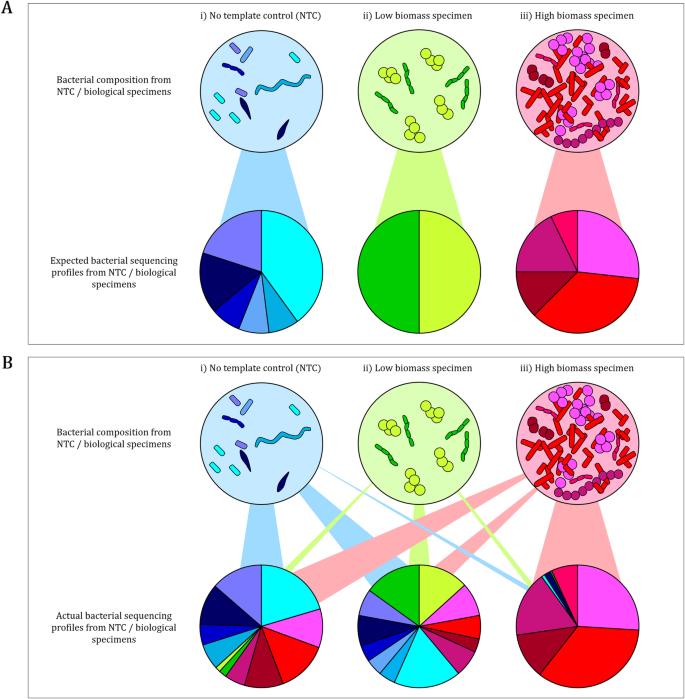
Optimizing 16s Rrna Gene Profile Analysis From Low Biomass Nasopharyngeal And Induced Sputum Specimens Bmc Microbiology Full Text
1
Carl Woese and George E.
16s rrna sequencing pdf. If the customer requests a primer can be additionally selectedchanged and. Deep Sequencing of Subseafloor Eukaryotic rRNA Reveals Active Fungi across Marine Subsurface Provinces William Orsi1 Jennifer F. Download full-text PDF.
Resolution of 16S rRNA gene sequencing. Metabarcoding using 16S rRNA marker is widespread in the studies of various microbial communities 46The introduction of the next-generation sequencing techniques 79 has led to novel. 2 Carl Woese y George E.
Amplification of 16S-23S rRNA ISR. Quast et al 2013 16S rRNA gene amplicon sequencing provides an affordable high-throughput tool for addressing traditional community ecology questions especially under the constrained sampling conditions of the Arctic marine environment. 18S rRNA is the eukaryotic cytosolic homologue of 16S ribosomal RNA in prokaryotes and mitochondria.
16S Metagenomic Sequencing Library Preparation Support Center 16S Metagenomic Sequencing Library Preparation The 16S Illumina Demonstrated Library Prep Guide and links to an example 16S dataset from libraries generated with the protocol and run on the MiSeq with v3 reagents. Single-cell analyses of transcriptional heterogeneity during drug tolerance transition in cancer cells by RNA sequencing. Although 16S rRNA gene sequencing is highly useful in regards to bacterial classification it has low phylogenetic power at the species level and poor discriminatory power for some genera 2 11 and DNA relatedness studies are necessary to provide absolute resolution to these taxonomic problems.
Detecting and identifying bacteria including mycobacteria from normally sterile sources including synovial fluid. El ARN ribosomal 16S ARNr 16S o 16S rRNA es el componente de la subunidad menor 30S de los ribosomas procariotas que se une a la secuencia de Shine-DalgarnoLos genes que lo codifican son conocidos como genes del ARNr 16S y se utilizan para la reconstrucción de filogenias debido a sus bajas tasas de evolución. The genus Bacillus is a good example of t.
Sequence data from these genes is widely used in molecular analysis to reconstruct the evolutionary history of organisms especially in vertebrates as its slow evolutionary rate makes it suitable to reconstruct ancient divergences. 16S ribosomal RNA or 16S rRNA is the RNA component of the 30S subunit of a prokaryotic ribosome It binds to the Shine-Dalgarno sequence and provides most of the SSU structure. And cloning steps and to reduce the number of non-specific terminations that frequently occur during direct sequencing of 16S.
It is optimized to target the V3 and V4 regions of the 16S rRNA gene although it can be adapted to target other variable regions. High-throughput sequencing of the full 16S gene with sufficient accuracy to discriminate between copy variants has until recently been constrained by a lack of available sequencing technologies. And both fresh and formalin-fixed paraffin-embedded tissues This test is not recommended as a test of cure because nucleic acids may persist for long periods of time after successful.
This form of targeted sequencing is more appropriate for applications such as microbiomic experiments where community composition is analyzed by surveying 16S rRNA sequences in complex bacterial mixtures analysis of antibody diversity and T cell receptor gene repertoires and facilitating the process of identifying and selecting high value aptamers in a SELEX protocol. The 16S rRNA gene has been a mainstay of sequence-based bacterial analysis for decades. The genes coding for it are referred to as 16S rRNA gene and are used in reconstructing phylogenies due to the slow rates of evolution of this region of the gene.
16S リボソームRNA16S rRNAとはシャインダルガノ配列Shine-Dalgarno sequenceに結合する原核生物 リボソームの30S小サブユニットのコンポーネントである このRNAをコードする遺伝子は16S rRNA遺伝子と呼ばれる 16S rRNA遺伝子はリボソームという生物の本質に関わる機能を持つRNAで. Analysis of the Microbial Diversity Through PCR Targeting 16S rRNA Genes The determination of microbial diversity using sequencing data from 16S rRNA genes amplified from environmental DNA most often involves the clustering into operational taxonomic units OTUs in which similar 16S rRNA sequences are considered to be from the same taxon Edgar 2013. The genes coding for 18S rRNA are referred to as 18S rRNA genes.
From the plankton samples DNA was extracted the V4 region of the 18S rRNA-gene was amplified by polymerase chain reaction PCR with universal eukaryote primers and the amplicons were sequenced by Illumina high-throughput sequencing. 16S and Internal Transcribed Spacer ITS ribosomal RNA rRNA sequencing are common amplicon sequencing methods used to identify and compare bacteria or fungi present within a given sample. ImmPort Shared Data enables searching and downloading shared biomedical research data funded from NIAID DAIT and DMID other NIH agencies and non-government sources.
37 Full PDFs related to this paper. The Illumina 16S Metagenomic Sequencing Library Preparation Guide is an easy-to-follow protocol for preparing DNA libraries. Amplicon-based sequencing of marker genes such as 16S rRNA is a powerful tool for assessing and comparing the structure of microbial communities at a high phylogenetic resolution.
In particular we have focused on whether sequencing the full 16S gene while accounting for 16S gene copy variants makes the detection of bacterial species and strains a realistic prospect. However high-throughput sequencing of the full gene has only recently become a realistic prospect. Fox fueron dos de los pioneros que se basaron en.
The faster result generation with ONT third-generation sequencing compared to other next-generation sequencing methods may increase the utility of 16S rRNA PCR and sequencing especially if the costs of sequencing can be further reduced and if sequencing accuracy of these novel methods improves further in the near future Heikema et al 2020. For bacteria PCR of 16S rRNA genes is performed using 27F and 1492R primers and sequencing is conducted using 785F and 907R primers which are the inter-primers to identify bacteria. Fox were two of the.
Full PDF Package Download Full PDF Package. A short summary of this paper. Next-generation sequencing NGS-based ITS and 16S rRNA gene sequencing are well-established methods for comparing sample phylogeny and taxonomy from complex microbiomes or environments that are.
PerkinElmer chemagen Technology is a key player in the field of automated nucleic acid isolation with a vast experience in developing solutions for DNA and RNA purification for applications as diverse as sequencing biobanking HLA typing and pathogen detection. Because 16S sequencing is more cost-effective than whole metagenome shotgun sequencing marker gene analysis is frequently used in pre-studies or two-tiered large-scale studies. Biddle2 Virginia Edgcomb1 1 Department of Geology and Geophysics Woods Hole Oceanographic Institution Woods Hole Massachusetts United States of America 2 College of Earth Ocean and Environment University of Delaware Lewes Delaware United.
The 16S Metagenomic Sequencing Library Preparation Guide leads users through each.

Pdf 16s Rrna Gene Sequencing For Bacterial Identification Of Pullulanase Synthesizing Thermophilic Bacteria Contributing To Big Data
16s And Its Rrna Sequencing Identify Bacteria Fungi With Ngs
16s Rrna Sequencing
What Are Some Bacteria With Similar 16s Rrna Sequences But Quite Different Genomes Quora
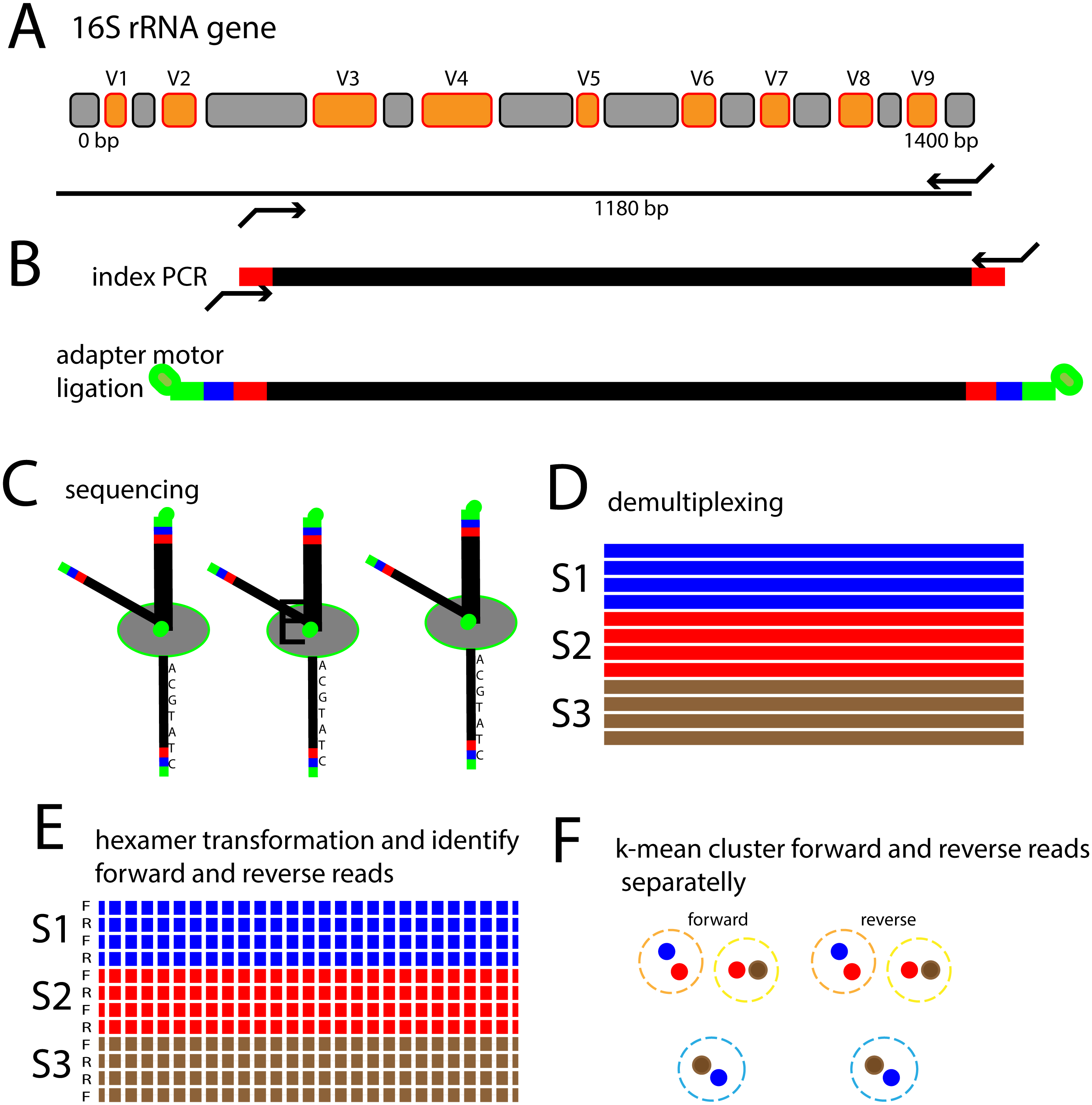
De Novo Species Identification Using 16s Rrna Gene Nanopore Sequencing Peerj

Pdf 16s Rrna Gene Sequence Based Identification Of Bacteria In Automatically Incubated Blood Culture Materials From Tropical Sub Saharan Africa

Research Techniques Made Simple Bacterial 16s Ribosomal Rna Gene Sequencing In Cutaneous Research Sciencedirect

Pdf Use Of 16s Rrna Gene For Identification Of A Broad Range Of Clinically Relevant Bacterial Pathogens


